AsterNym

8th house synastry and intensity

Read as the most intense overlay in synastry — and intensity is not the same thing as compatibility.

3 min read · Published 31 August 2026

The short answer

When one person's planets fall in another's 8th house, the contact is read as producing depth, intensity and transformation. The 8th house traditionally covers shared resources, inheritance, intimacy and what changes you rather than passes through. The important caveat is that intensity is not compatibility, and a reading describing a relationship as transformative is not describing it as good.

What the 8th house covers

Traditionally: shared and inherited resources, other people's money, debt, inheritance, and by extension what is jointly held rather than individually owned.

Also intimacy in the sense of merging — what you cannot keep separate — and psychological depth. Modern practice emphasises transformation and what is hidden.

The older layer includes death, which is where the house's reputation comes from. That association has been substantially softened in modern reading, and the 12th house has similar history.

It sits opposite the 2nd house of personal resources, and reading them as an axis — what is mine against what is ours — is more useful than reading either alone.

What an overlay means

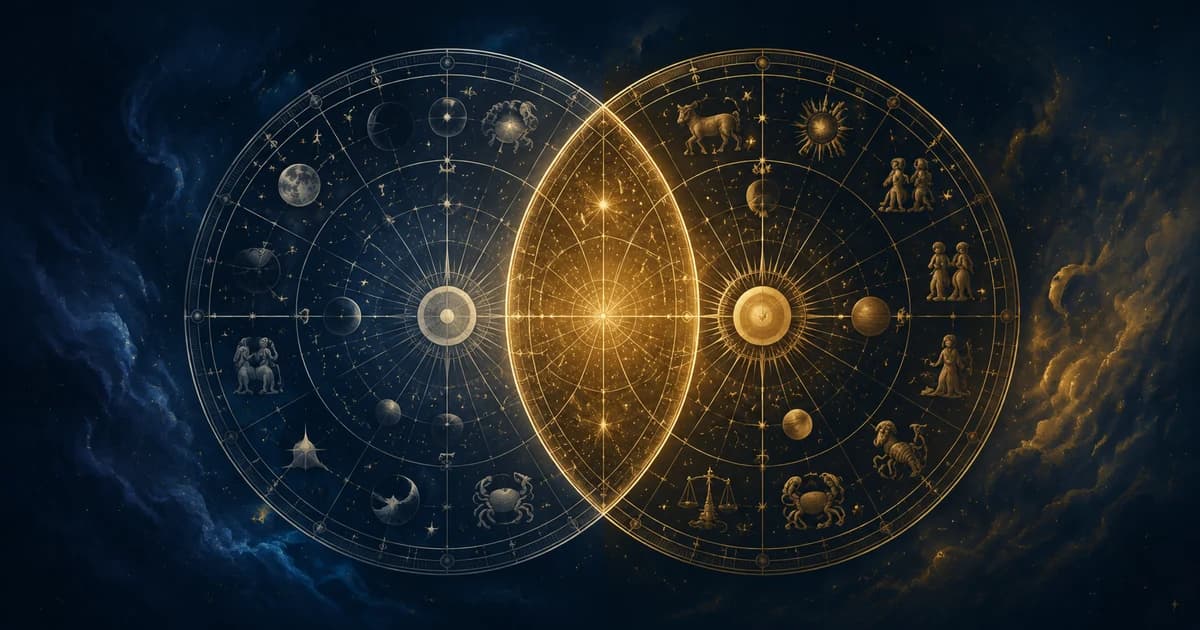
In synastry, one person's planets are placed into the other person's house structure. A planet falling in their 8th house is read as activating that area of their life.

So your Venus in their 8th is read as bringing your affections into their zone of depth, shared resources and merging. Your Mars there is read as more confronting.

The reason these contacts feel significant is partly structural: house overlays need a birth time, so they only appear in charts where both people have accurate times. Many synastry readings never include them at all.

The pattern worth being careful about

There is a specific way this technique gets used badly, and it is worth naming.

Intensity is often read as evidence of significance, and significance as a reason to persist. A relationship described as karmic, transformative and unavoidable is one a person may stay in through difficulty because the framing says it matters.

That is the same mechanism as south node readings, and it is the reason both deserve care rather than enthusiasm.

The useful question is not whether a relationship is intense. It is whether it is good, and no chart contact answers that.

What synastry can honestly do

  • Describe differences in how two people operate, which is a genuinely useful conversation prompt.
  • Name likely friction points — where one person's Mars sits on another's Saturn, for instance — as things to talk about rather than predictions.
  • Give vocabulary for something already noticed. 'We are very different about money' becomes a specific discussion.
  • Nothing about duration. No synastry technique has demonstrated any ability to predict whether a relationship lasts, and any product implying otherwise is overclaiming.

AsterNym's match shows house overlays where both birth times are known, states when they are unavailable, and presents everything as a starting point for conversation rather than a compatibility verdict.

Common questions

What does the 8th house mean in synastry?
When one person's planets fall in another's 8th house, the contact is read as activating depth, shared resources, intimacy and transformation. It is traditionally considered one of the most intense overlays in synastry.
Is 8th house synastry good or bad?
Neither. It describes intensity and transformation, and being changed by a relationship can be growth or damage. Content presenting 8th house contacts as desirable is adding a judgement the tradition does not make.
Do house overlays need a birth time?
Yes. Houses cannot be computed without an exact birth time and place, so any synastry reading involving house overlays requires accurate times from both people. Many readings omit them entirely for this reason.
Can synastry predict whether a relationship will last?
No. No synastry technique has demonstrated any ability to predict duration or outcome. What a comparison can do is describe differences and name likely friction points as topics for conversation.

See the overlays in a comparison

House overlays where both times are known, and a clear note when they are not.

See the overlays in a comparison

Read next

Written by AsterNym. We publish what we refuse to tell you alongside what we do. Nothing here is medical, legal or financial advice.