
Tarot
Your birth date, translated into Tarot
Your birth card is one of the twenty-two major arcana, worked out from your birth date. Nothing is shuffled or drawn. The same birthday always gives the same card.
AsterNym uses a single-card birth-card method: add your birth month, birth day and full birth year as whole numbers, then add the digits of that total until the result is 22 or below. 1 to 21 are the numbered Major Arcana; 22 is read as The Fool. Your card is a fixed companion the way a sun sign is. The whole AsterNym deck is below.
How a birth card is calculated
Example: born 15 March 1990
3 + 15 + 1990 = 2008
2 + 0 + 0 + 8 = 10
Card 10 · Wheel of Fortune
2 April 1975: 4 + 2 + 1975 = 1981
1 + 9 + 8 + 1 = 19
The Sun · 19
13 September 1971: 9 + 13 + 1971 = 1993
1 + 9 + 9 + 3 = 22
The Fool · 22, deck number 0
A total that lands on 22 takes The Fool, whose deck number is 0. Unlike a daily draw, your birth card never changes. It is read as the archetype your life keeps returning to.
AsterNym uses a single-card birth-card method adapted from modern tarot-numerology practices popularised by writers including Mary K. Greer. Greer's fuller system reads linked Personality, Soul and constellation cards; AsterNym displays one primary card for simplicity and shows the linked chain beneath it.
Values above 9 link downward in that fuller numerology: 19 → 10 → 1 joins The Sun to Wheel of Fortune and The Magician; 16 → 7 joins The Tower to The Chariot; 13 → 4 joins Death to The Emperor; 22 → 4 places The Fool in the Emperor group. Your panel above shows your own chain.
AsterNym uses Rider–Waite–Smith numbering, with Strength at 8 and Justice at 11. Other tarot traditions number these differently: Marseille and Thoth decks commonly place Justice or Adjustment at 8 and Strength or Lust at 11. A deck that does so is not wrong; it is following a different convention.
Your AsterNym identity is read from your Life Path, calculated separately on the numerology page, never from the tarot number. The two share a digit root because both start from the birth date, but the Life Path keeps 11, 22 and 33 at intermediate stages and the tarot method does not, so a birth card of The Fool (22) does not by itself mean a Life Path of 22.
Method id: asternym.tarot.birth_card.sum_then_digit_reduce/2
How the draw works
No cards are shuffled anywhere. The draw is arithmetic, and this is all of it.
- Method
- A seeded pseudo-random generator picks from the deck. Same seed, same day, same card.
- Seed
- An identifier created once in your browser, plus your birth date and first name if you are signed in. It is not sent to us.
- Changes
- Daily. The date is part of the seed, so tomorrow deals a different card.
- Pool
- All 78 cards, Major and Minor Arcana, drawn with equal probability.
- Reversals
- Not used. Every card is read upright.
- Redraws
- As many as you like. The generator has no memory of what you drew before.
You will read elsewhere that the first card is the true one and that asking again is a failure of discipline. We do not think that is true. The generator does not know how many times you have asked, and a card you drew twice is not worth less than a card you drew once. Draw as often as you want; what a card gives you is a prompt to think with, not a verdict to obey.
The AsterNym Major Arcana
The twenty-two Major Arcana of the standard modern tarot deck, painted for AsterNym. Open any card for what it means in tarot, what the Rider–Waite–Smith image shows, and how AsterNym reads it as a birth card.
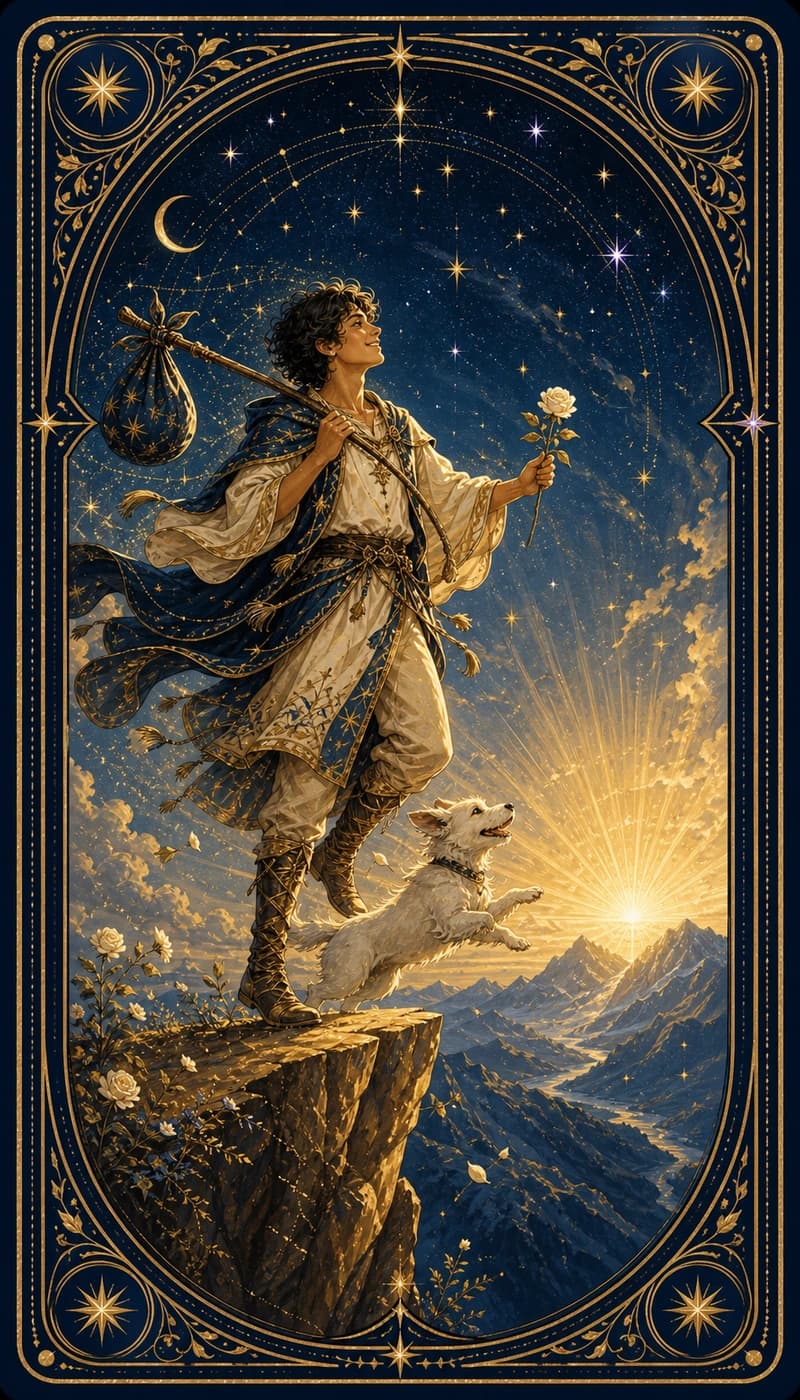
0 · The Fool
Leaps first. Figures out landing.
Your strength is beginning without guarantees. Your soft spot is looking down long enough to plan the landing.
Read The Fool →
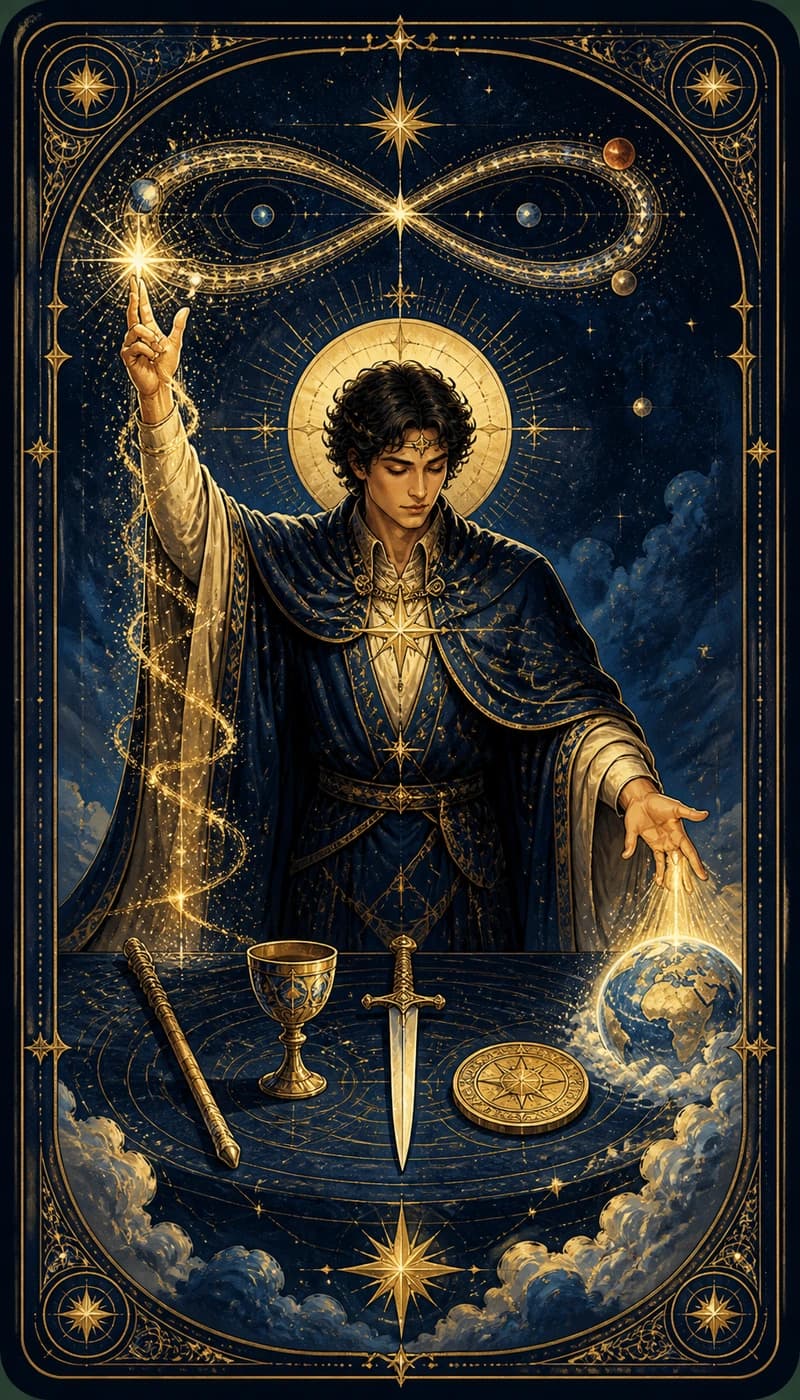
1 · The Magician
Has the tools. Uses them.
Your strength is turning intention into reality. Your soft spot is choosing one work worthy of the skill.
Read The Magician →
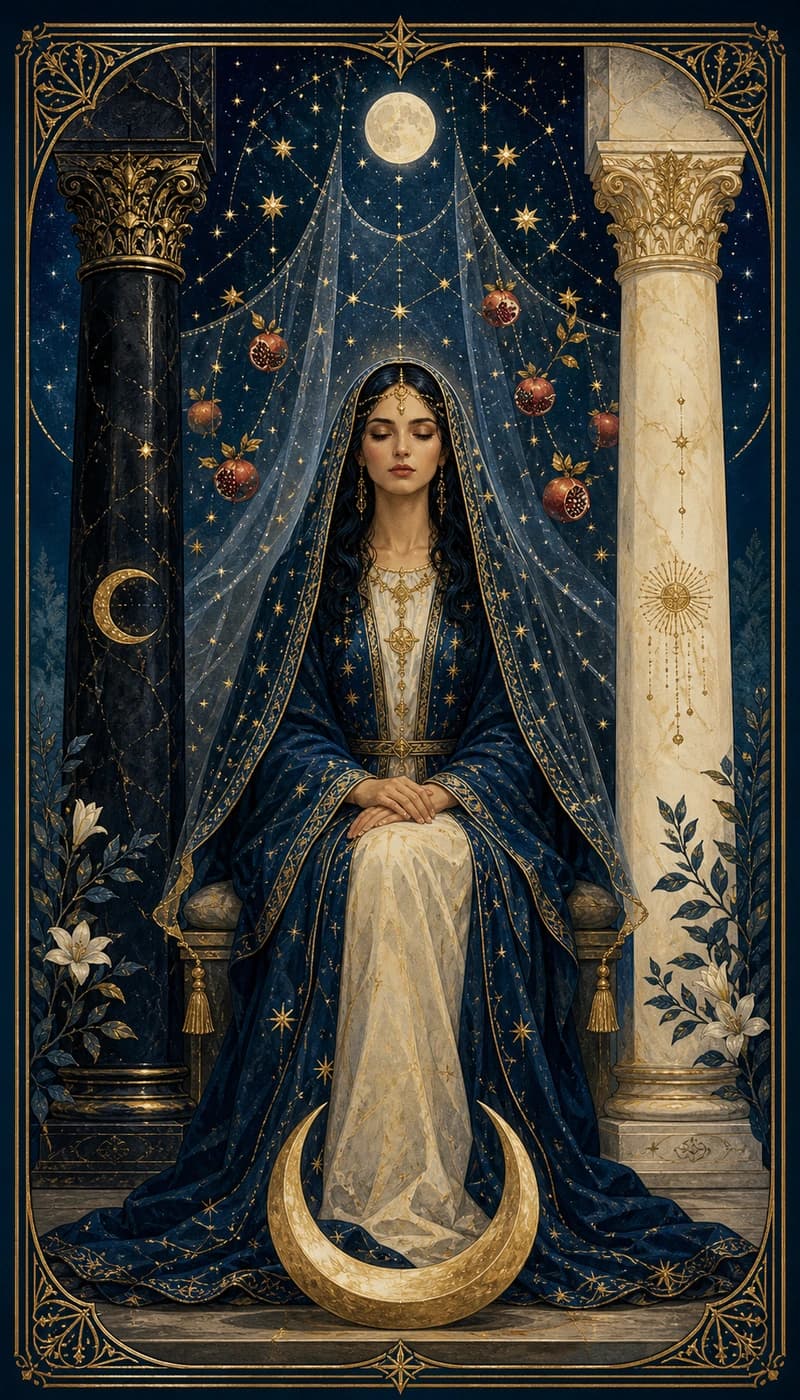
2 · The High Priestess
Already knows. Rarely says.
Your strength is knowing before you can explain. Your stretch is trusting the knowing out loud.
Read The High Priestess →
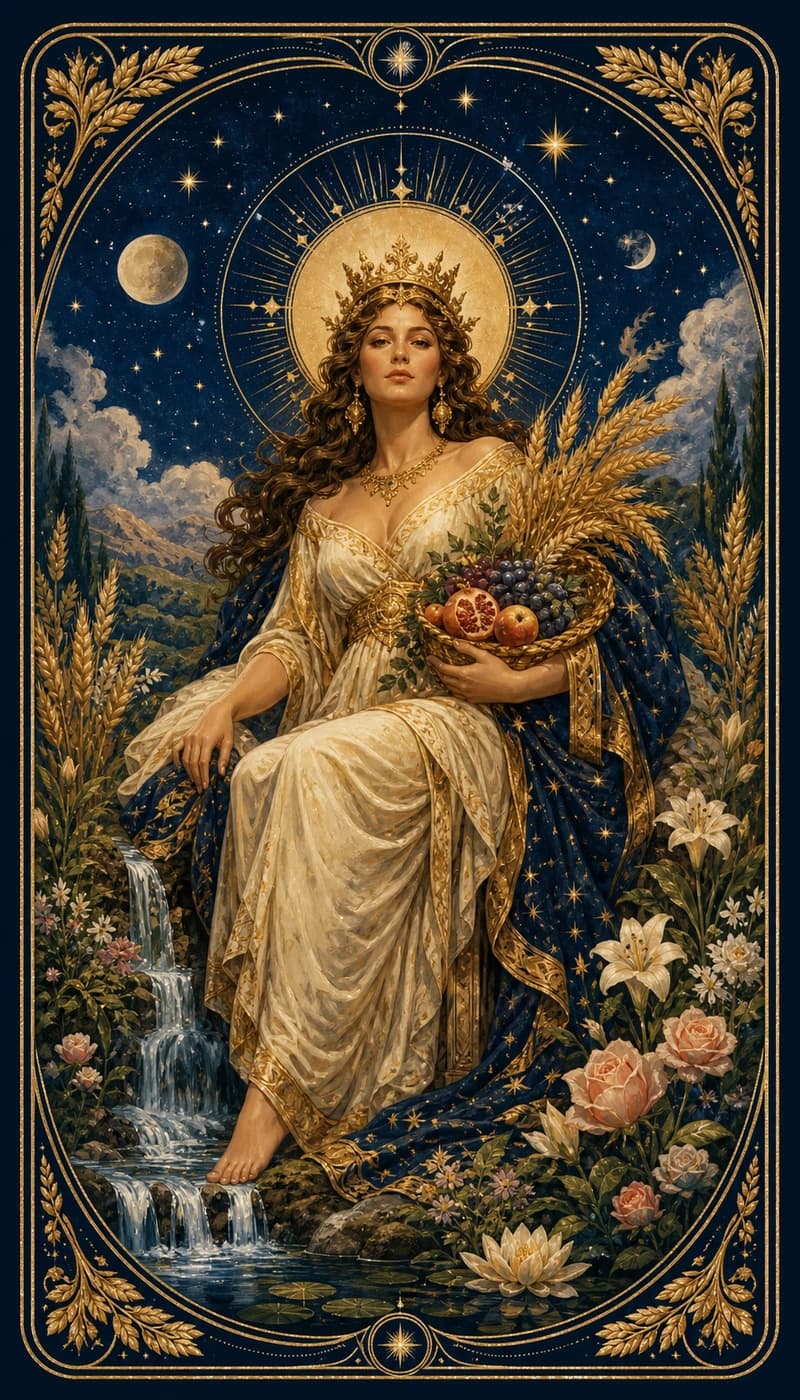
3 · The Empress
Makes everything around it grow.
Your strength is making everything around you grow. Your stretch is tending your own garden too.
Read The Empress →
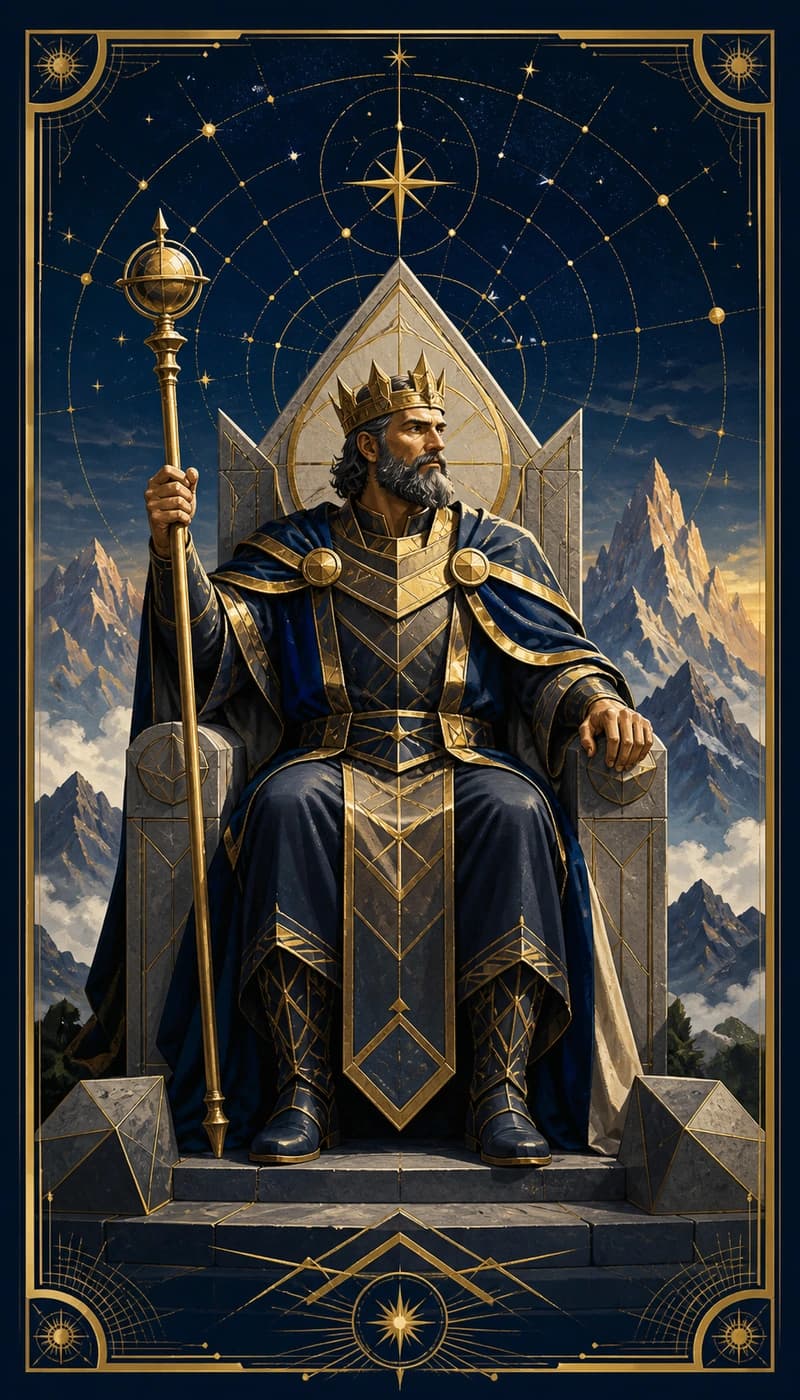
4 · The Emperor
Builds the structure. Runs it.
Your strength is creating order and stability. Your weak spot is knowing when to loosen your grip.
Read The Emperor →
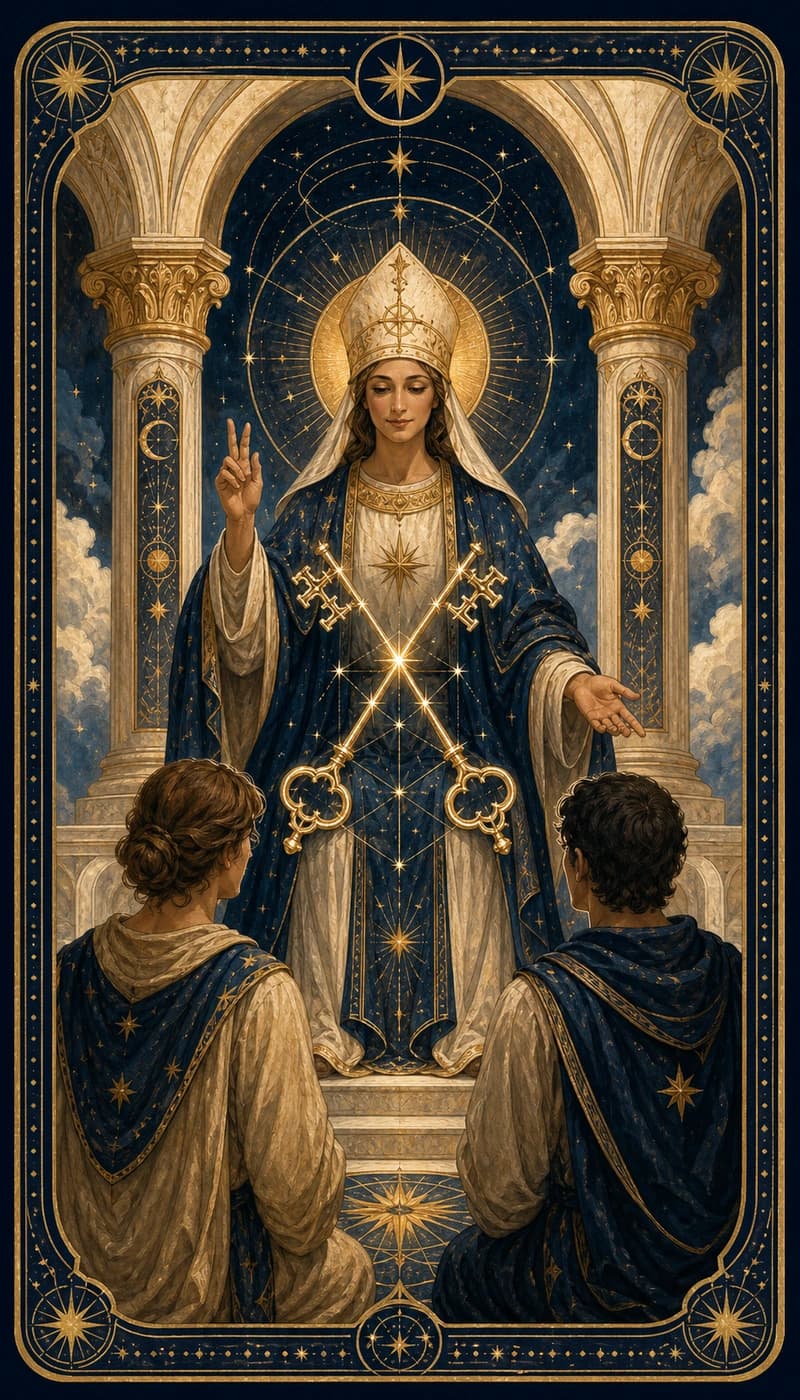
5 · The Hierophant
Knows the rules. Keeps them.
Your strength is carrying wisdom that needs keeping. Your weak spot is questioning a rule that has stopped serving.
Read The Hierophant →
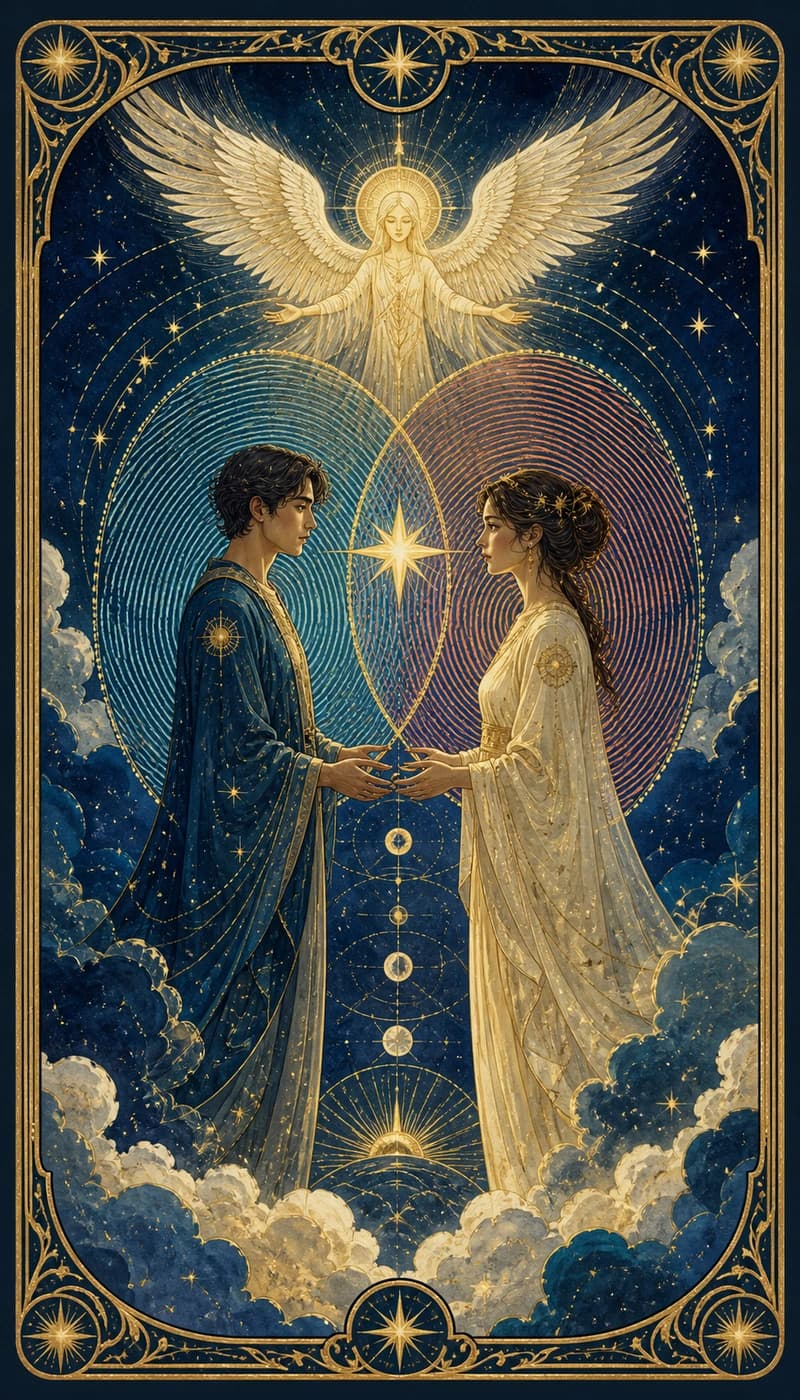
6 · The Lovers
Chooses with the whole chest.
Your strength is choosing with your whole heart. Your soft spot is choosing yourself as readily.
Read The Lovers →
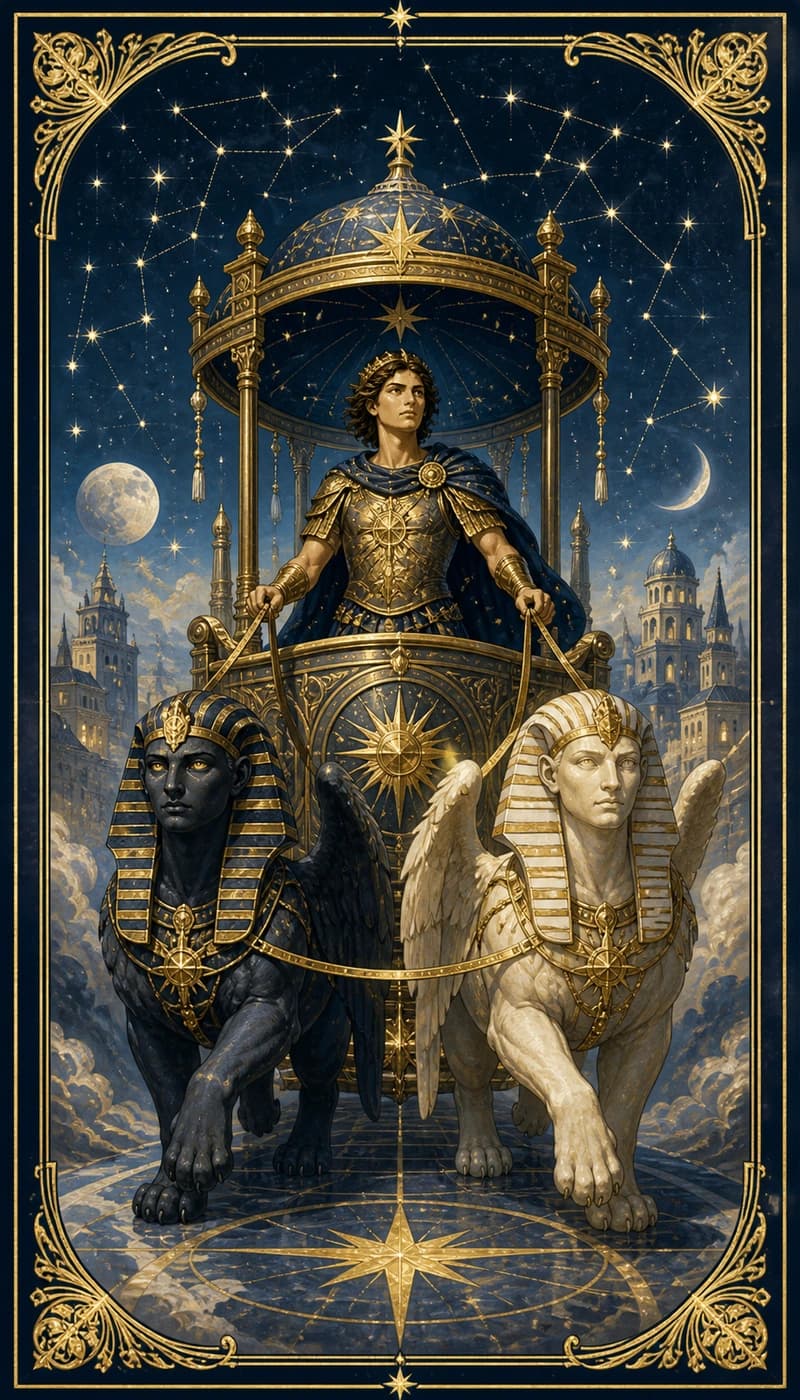
7 · The Chariot
Locked in. Nothing's stopping this.
Your strength is momentum under full control. Your stretch is letting the reins rest sometimes.
Read The Chariot →
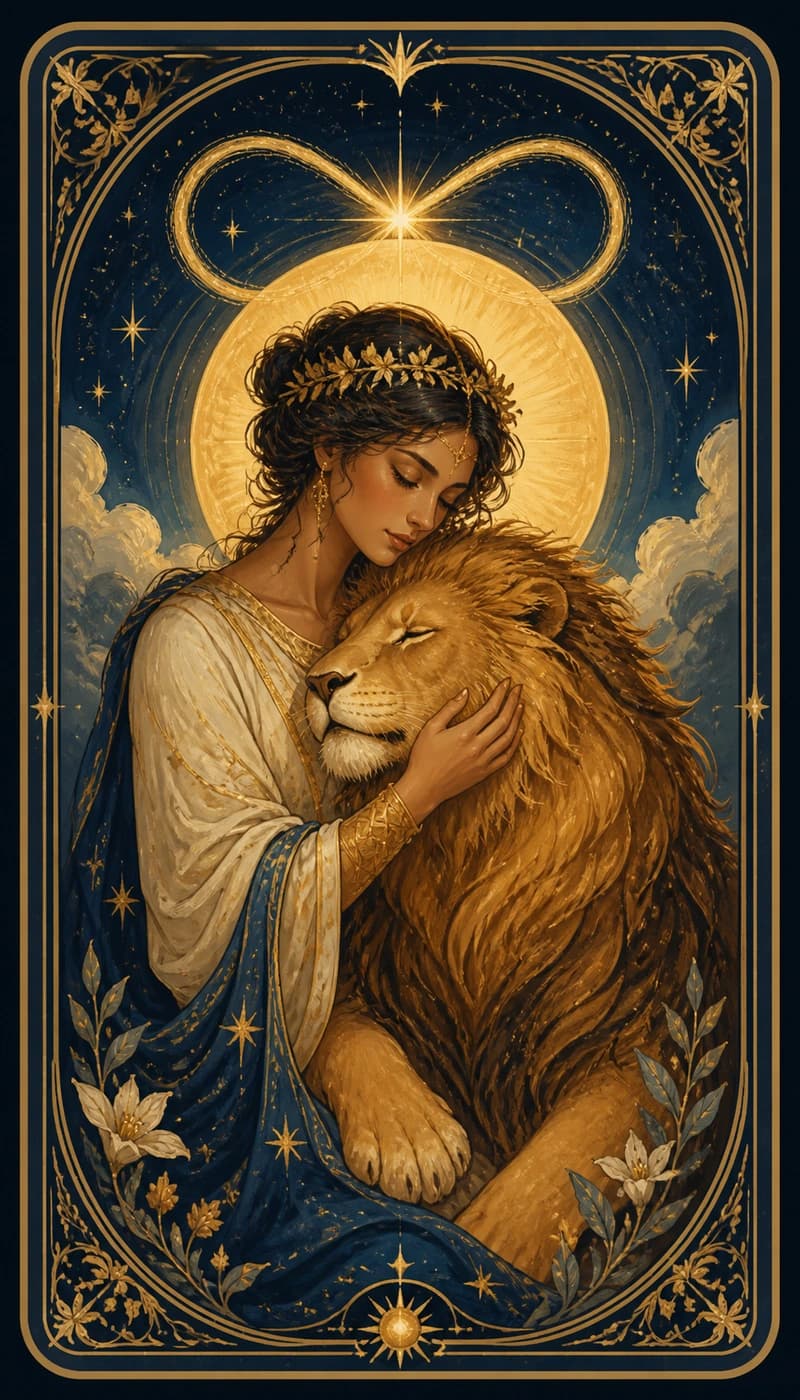
8 · Strength
Soft hands, unbreakable grip.
Your strength is power held gently. Your stretch is showing the effort behind the calm.
Read Strength →
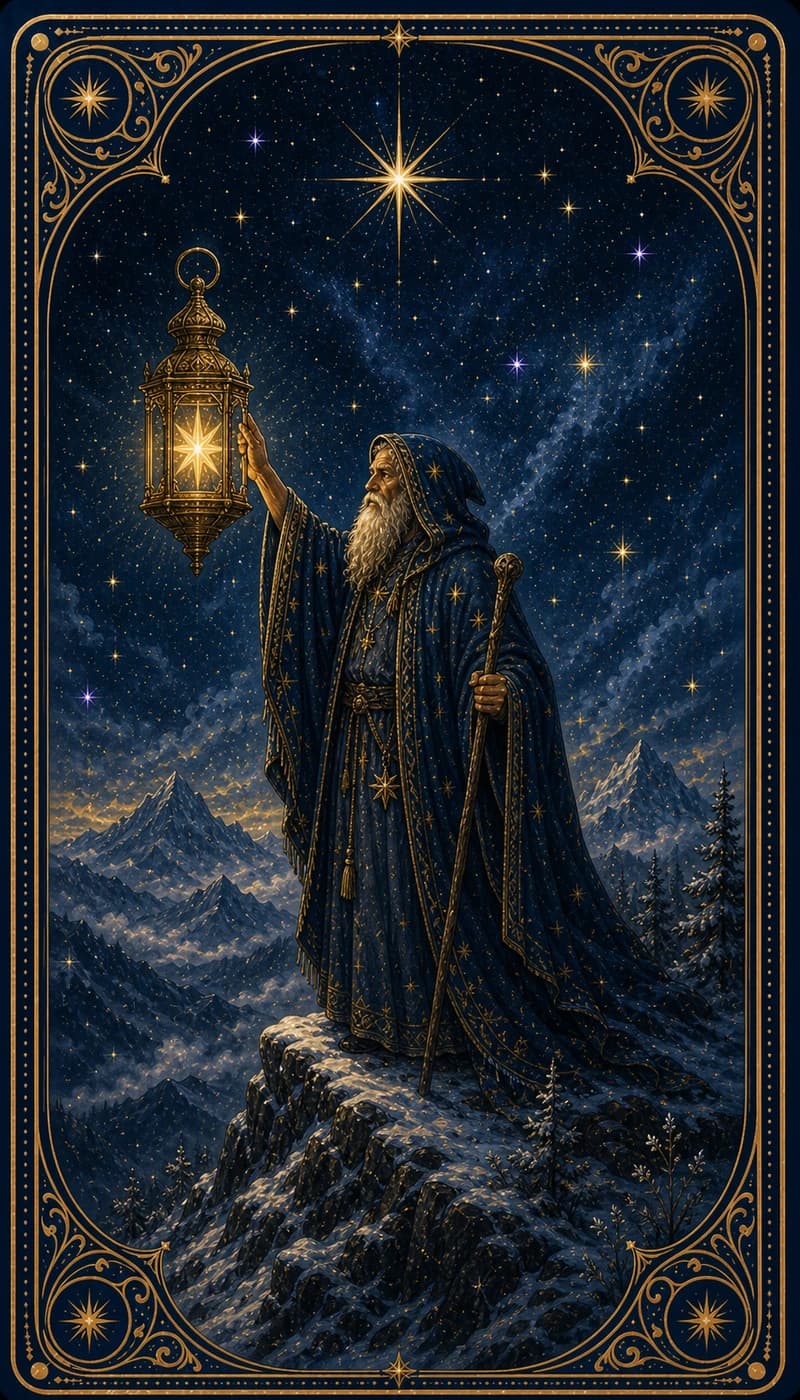
9 · The Hermit
Needs the room to think.
Your strength is light found in solitude. Your soft spot is bringing the lantern back to the village.
Read The Hermit →
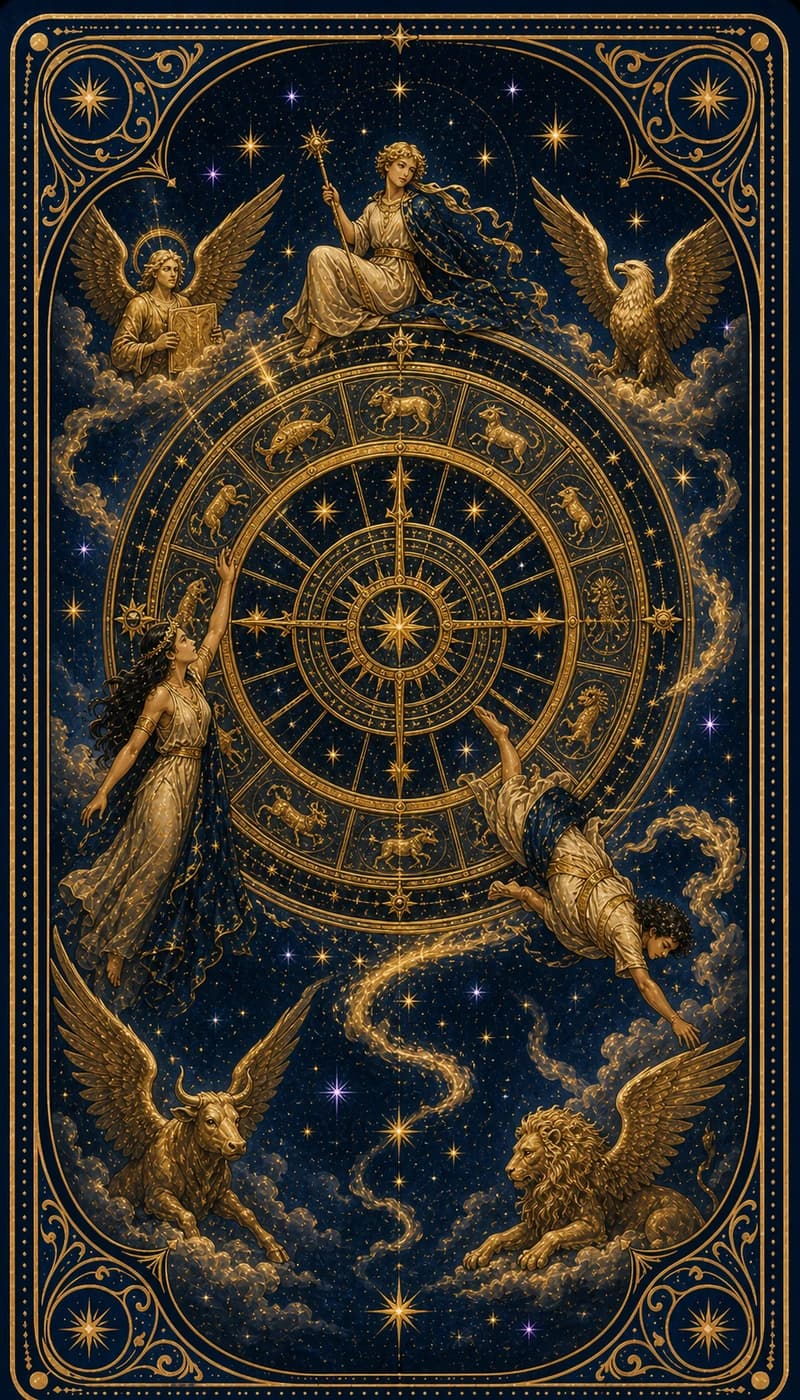
10 · Wheel of Fortune
Timing bends in its favor.
Your strength is riding change others resist. Your stretch is building what stays when the wheel turns.
Read Wheel of Fortune →
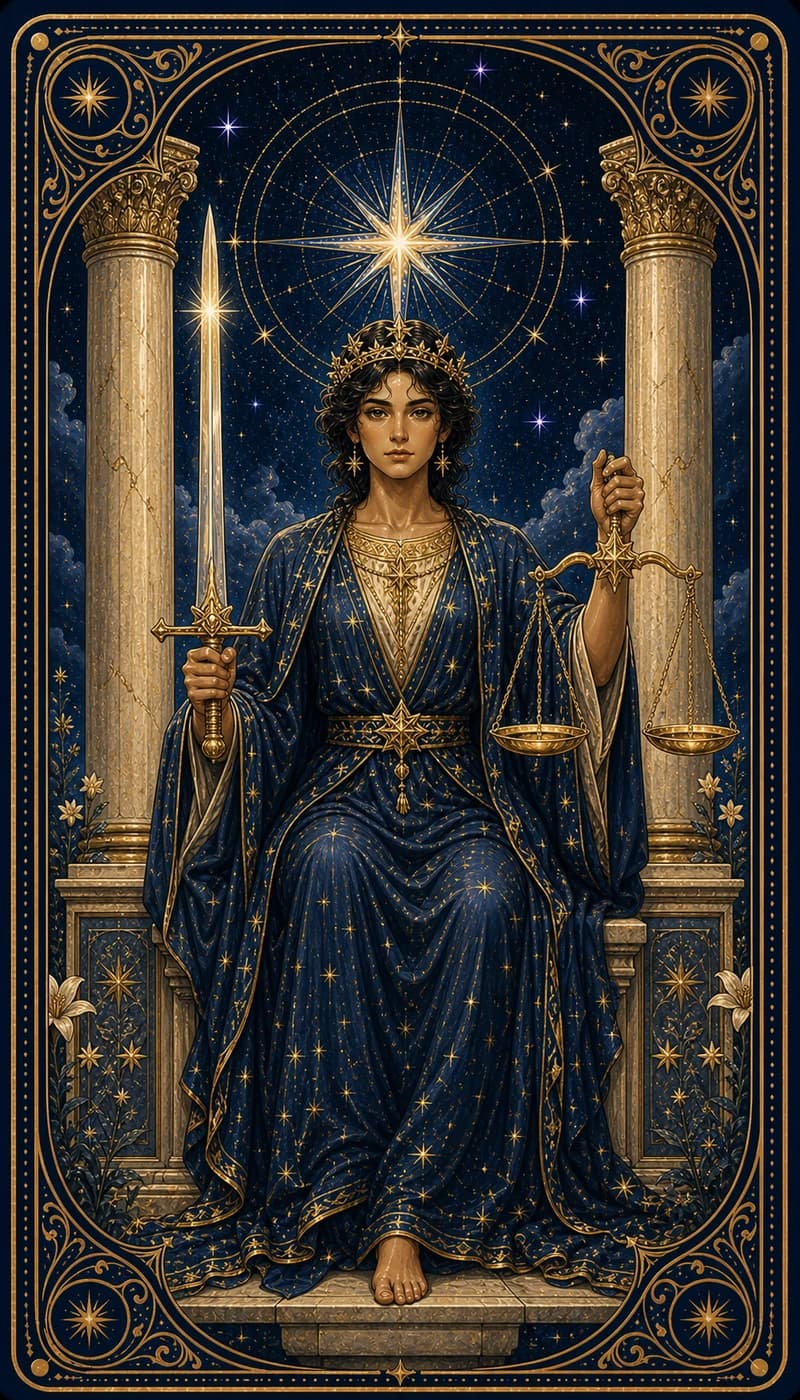
11 · Justice
Keeps score. Evens it out.
Your strength is seeing clearly and weighing fairly. Your stretch is mercy where the scales can't reach.
Read Justice →
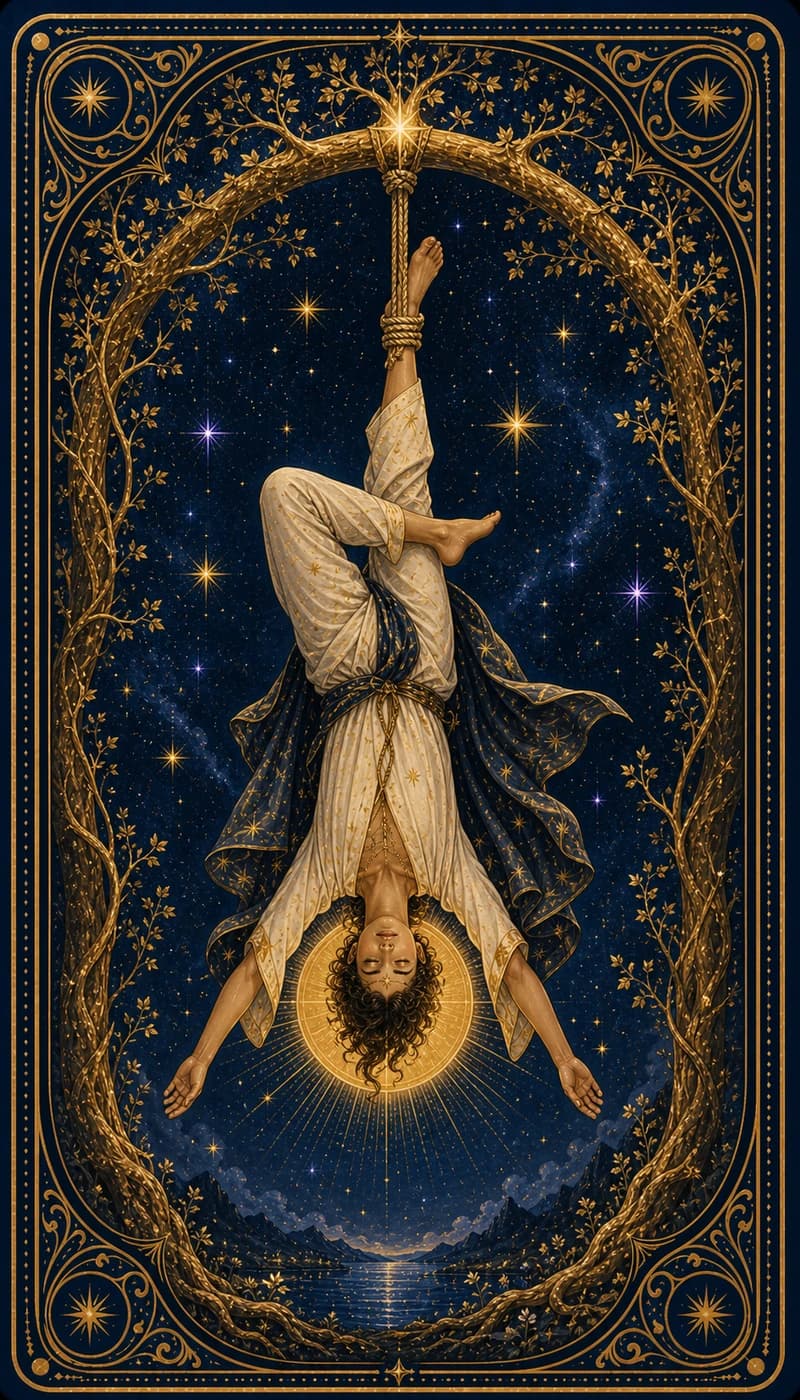
12 · The Hanged Man
Waits it out on purpose.
Your strength is seeing from angles no one tries. Your weak spot is knowing when the pause becomes a stall.
Read The Hanged Man →
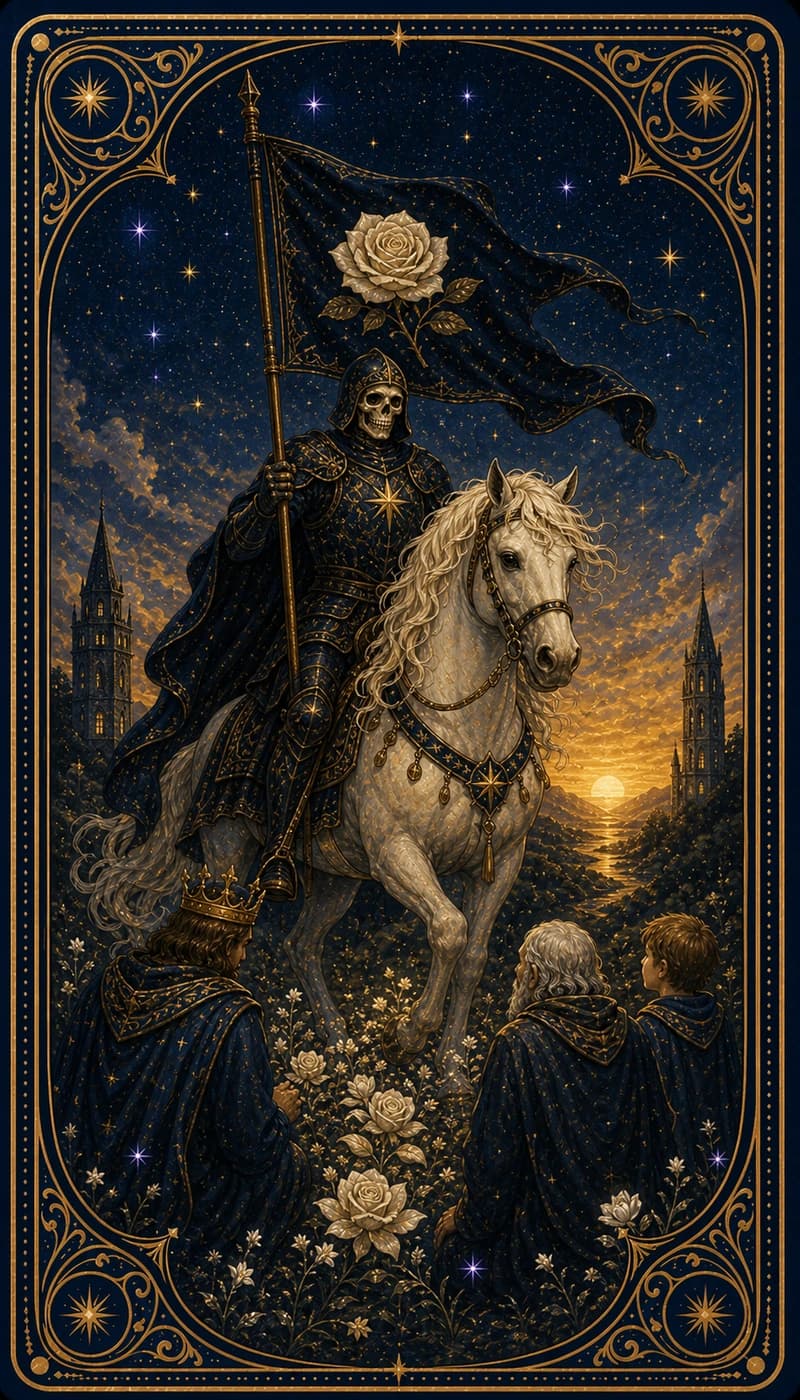
13 · Death
Ends things clean. Starts over.
Your strength is ending what is finished. Your soft spot is grieving before you begin again.
Read Death →
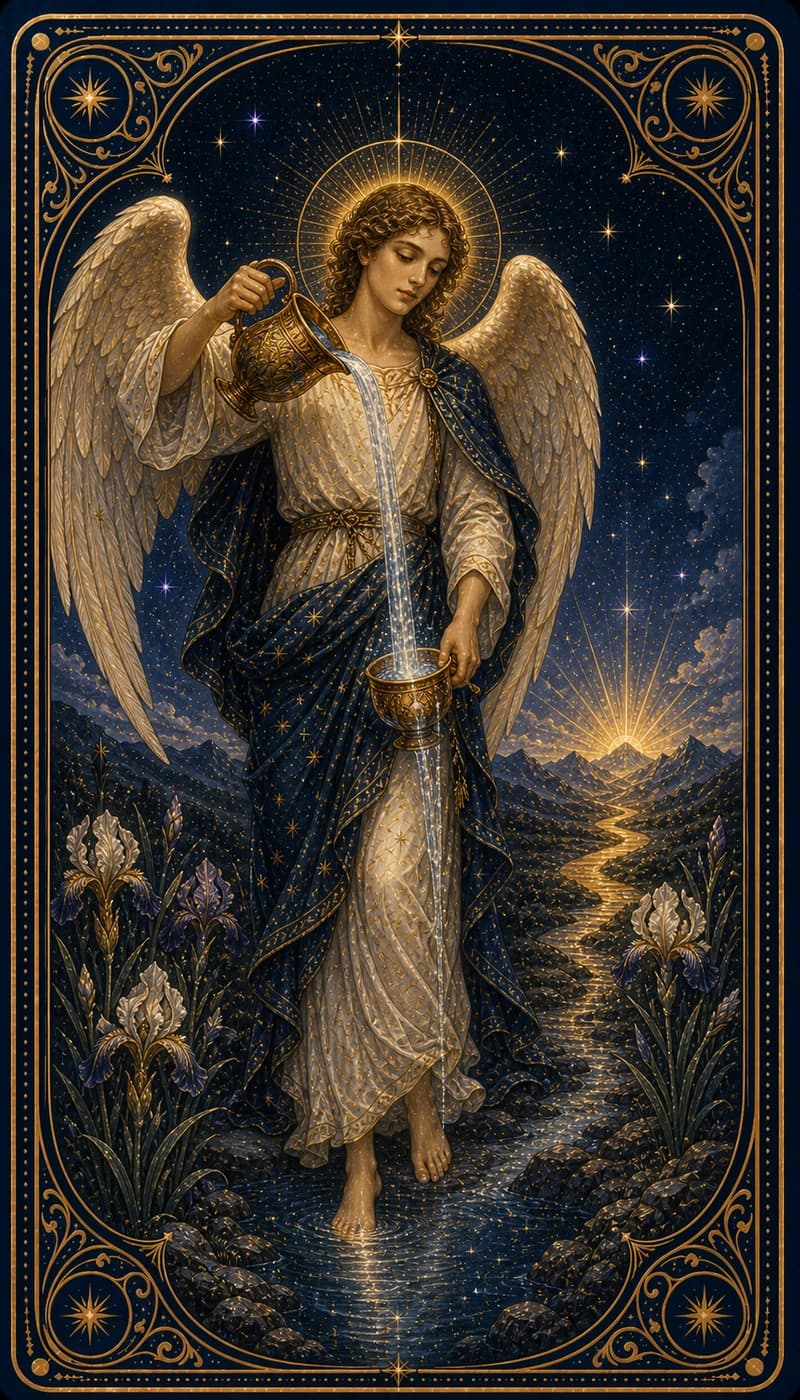
14 · Temperance
Mixes chaos into something calm.
Your strength is blending opposites into something whole. Your weak spot is letting some things stay unmixed.
Read Temperance →
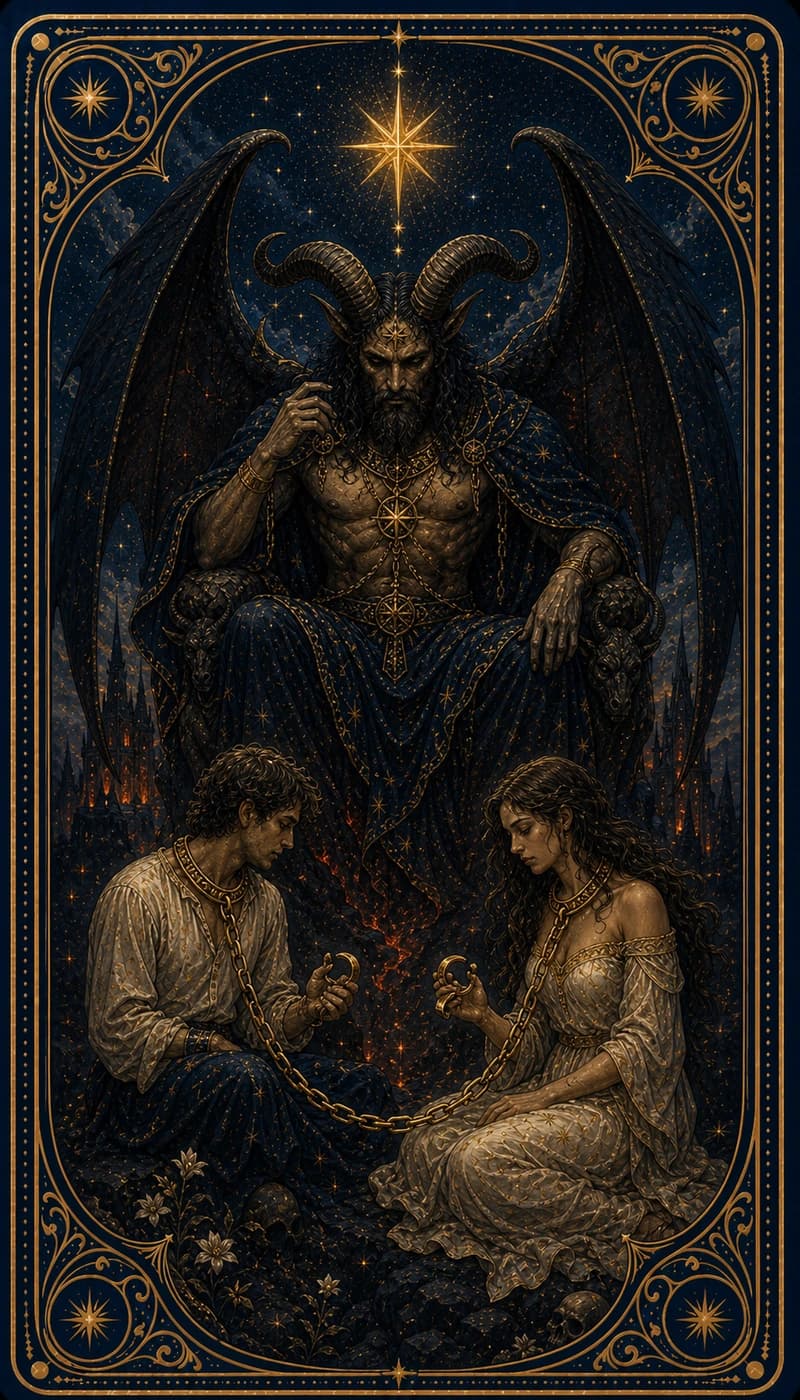
15 · The Devil
Knows exactly what it wants.
Your strength is facing what others won't name. Your stretch is putting down the chains you've befriended.
Read The Devil →
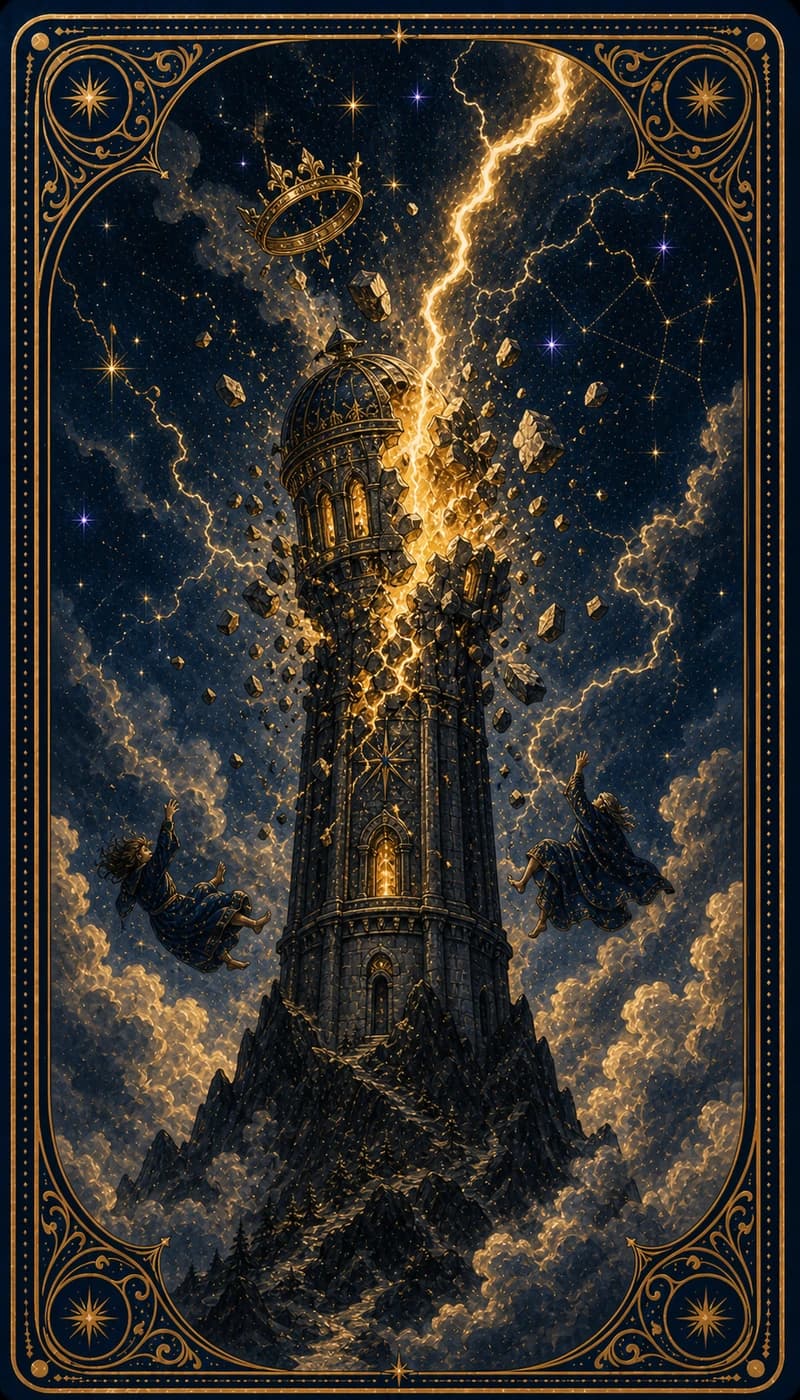
16 · The Tower
Everything falls. Then it's clearer.
Your strength is surviving the sudden truth. Your soft spot is building lighter after the clearing.
Read The Tower →
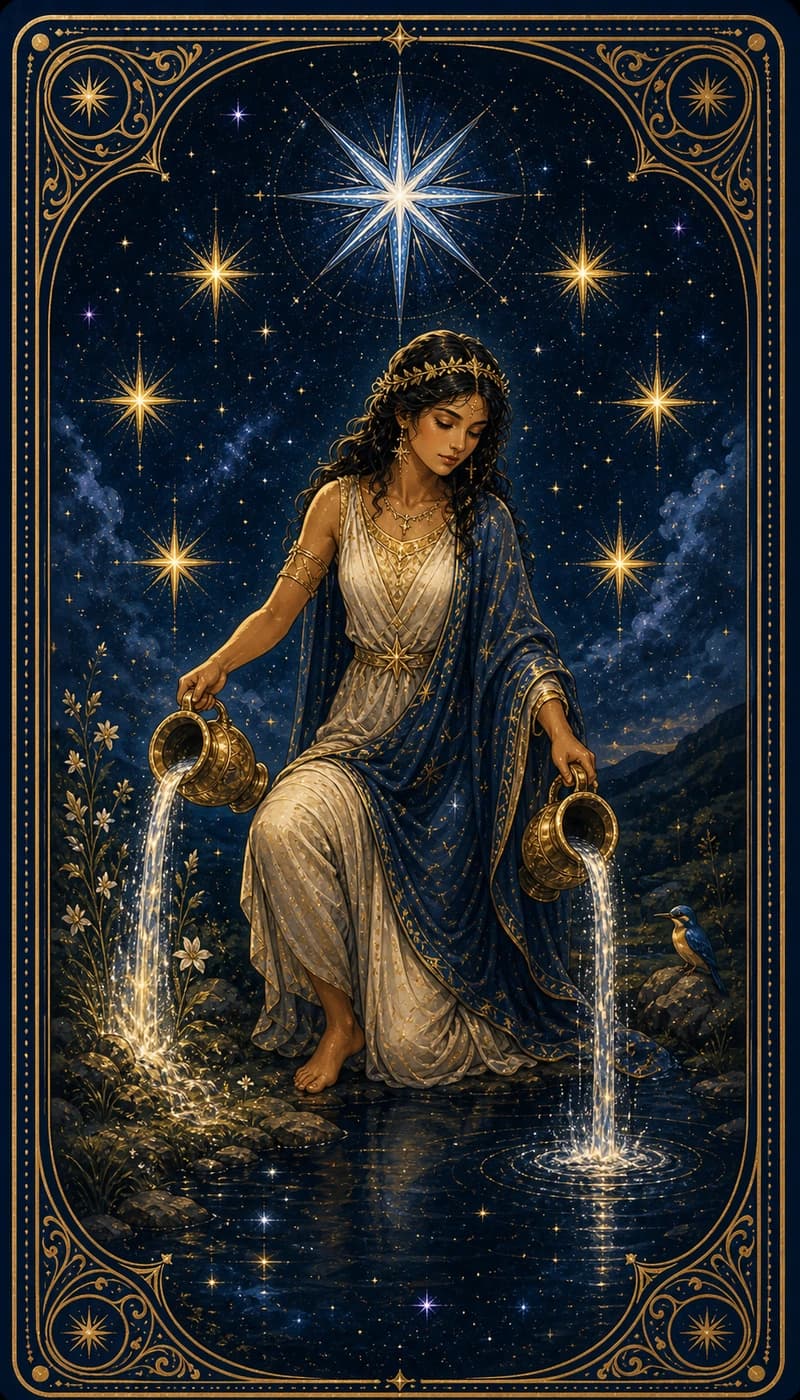
17 · The Star
Quiet hope that doesn't quit.
Your strength is hope that outlasts the dark. Your stretch is asking for the renewal you give.
Read The Star →
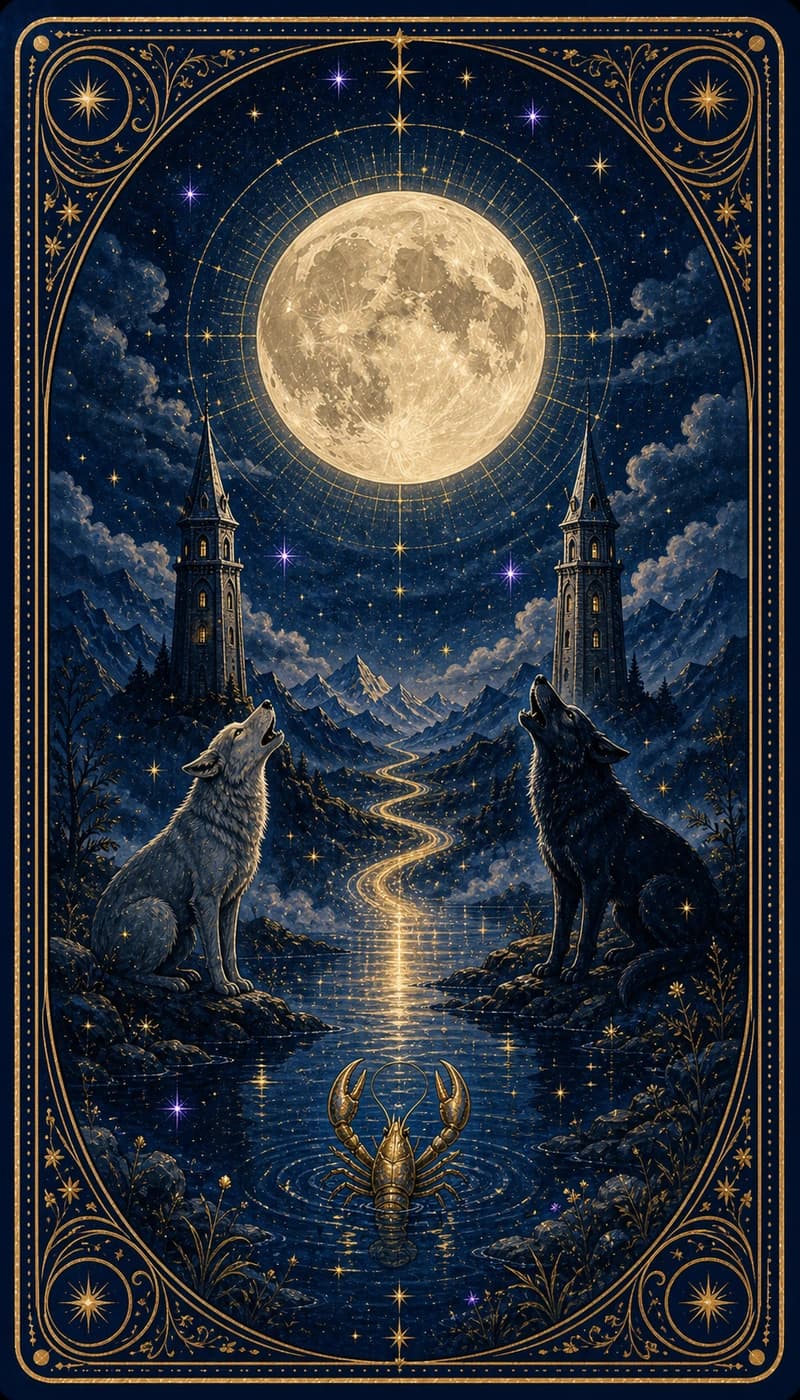
18 · The Moon
Trusts the gut over the map.
Your strength is reading the unseen. Your stretch is walking by daylight rules when it matters.
Read The Moon →
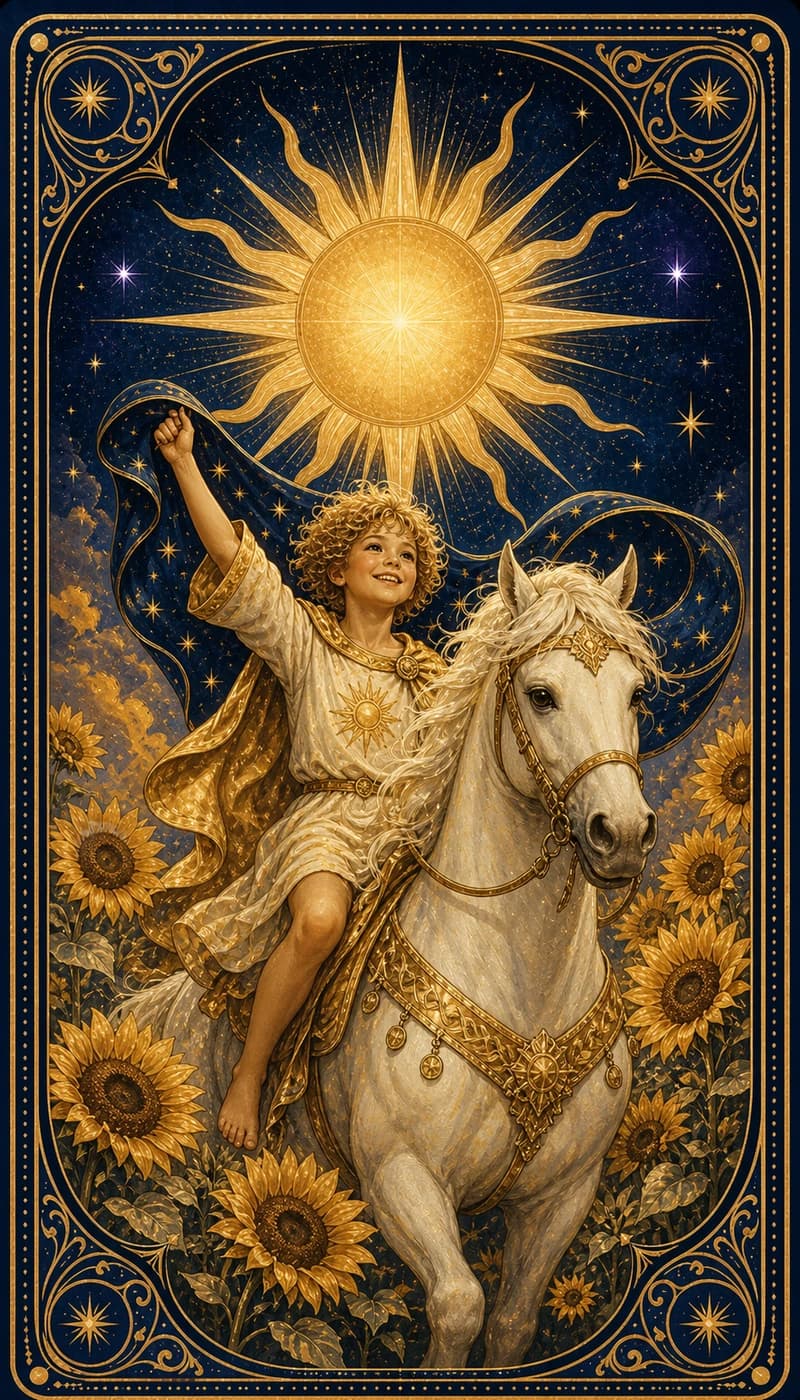
19 · The Sun
Walks in already glowing.
Your strength is warmth that clarifies everything. Your stretch is letting cloudy days count too.
Read The Sun →
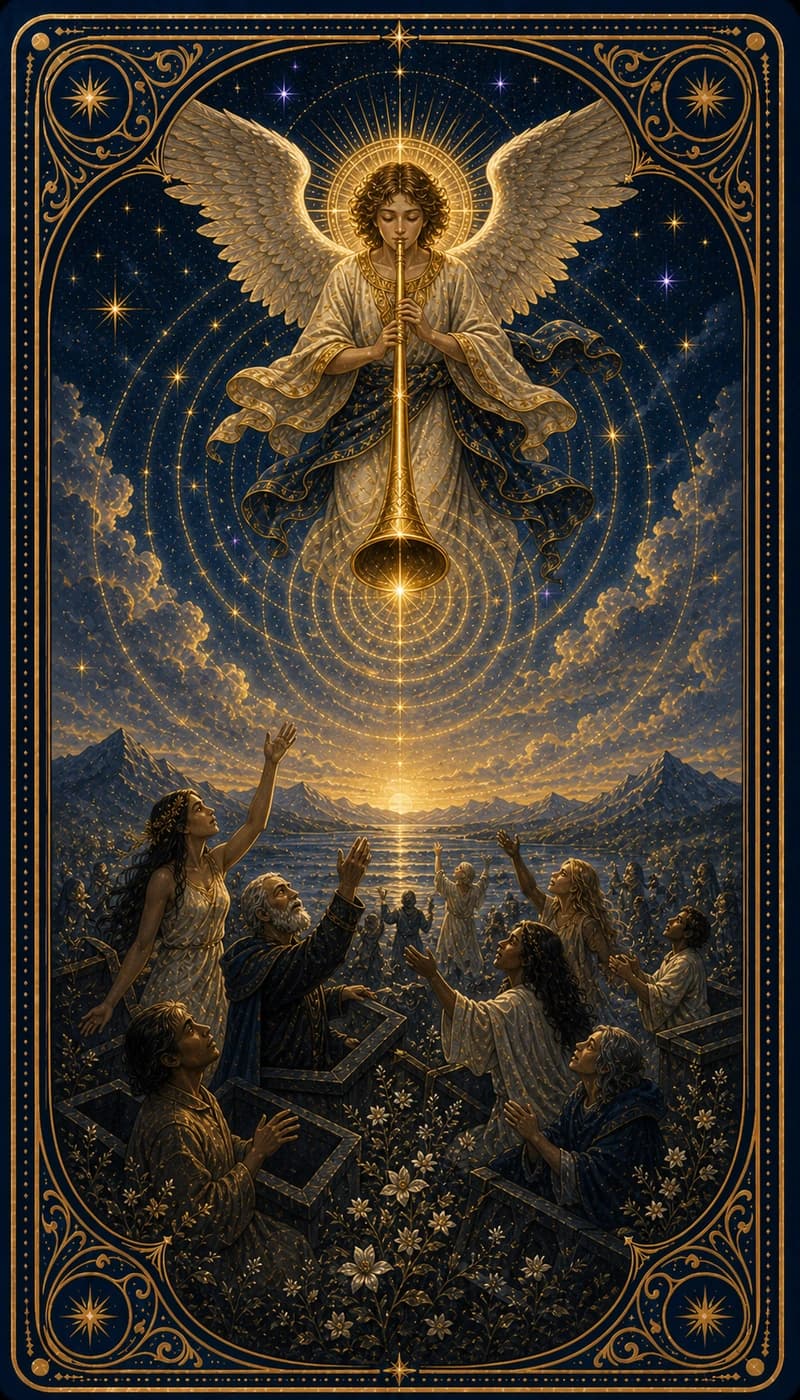
20 · Judgement
Gets a second chance. Takes it.
Your strength is answering the call to begin again. Your weak spot is forgiving the earlier attempts.
Read Judgement →
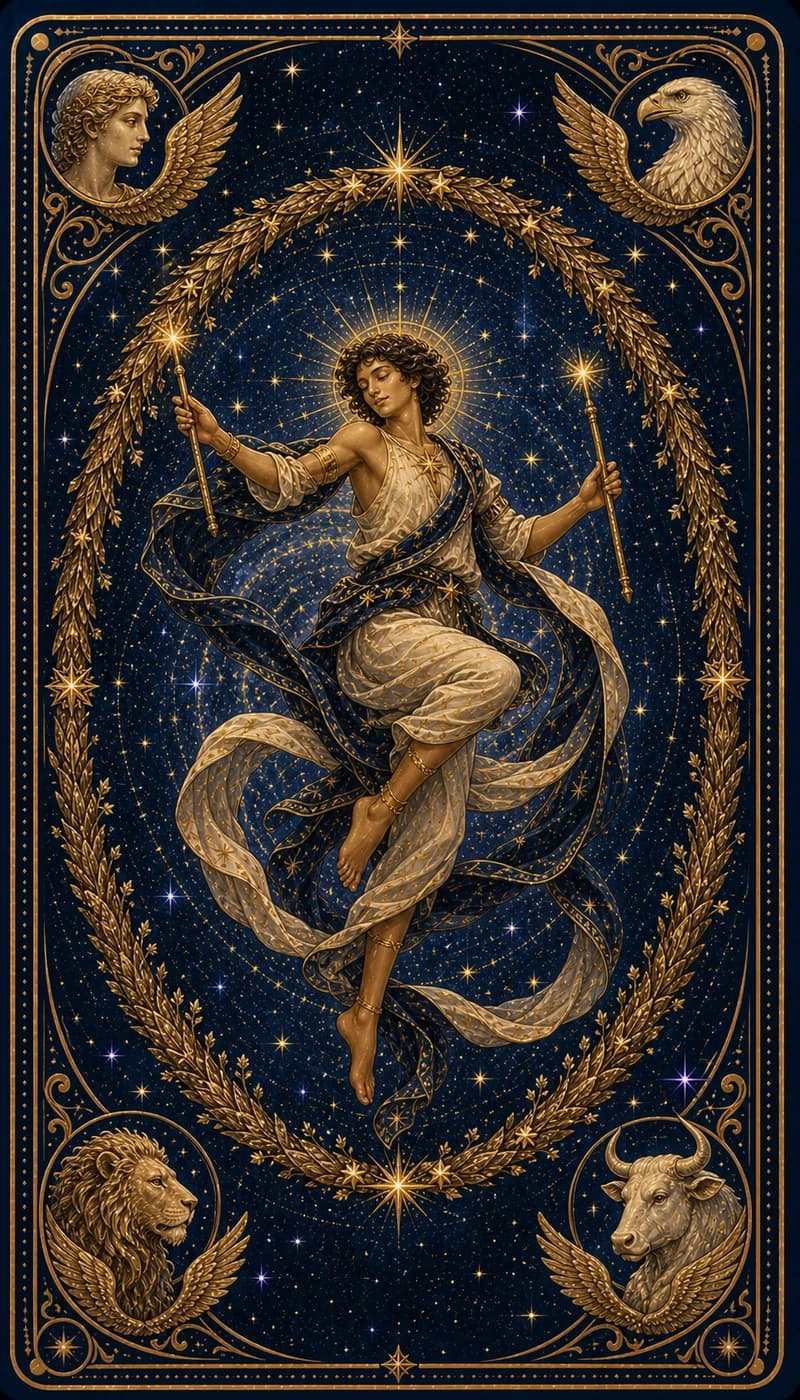
21 · The World
Finished the level. Starts another.
Your strength is finishing what you start, wholly. Your soft spot is beginning again as a beginner.
Read The World →
The 56 Minor Arcana
Four suits of fourteen. They are in the draw pool with the majors, and none of them can be a birth card: the birth-card sum only reaches 22. Each page has the card upright and reversed, what the Rider–Waite–Smith picture shows, and what its suit and its number are doing.
Wands
Fire
will, work in progress, enterprise and drive
Cups
Water
feeling, attachment, imagination and what you are loyal to
Swords
Air
thought, speech, conflict, truth and the cost of it
Pentacles
Earth
money, body, craft, land and the slow accumulation of things
Reading on tarot
The history, the arguments and the limits, written long-form in the journal.
- Major vs Minor Arcana: the structure of the deck
Seventy-eight cards. Two halves. Learn the shape and the deck stops being scary.
4 min read
- The Celtic Cross, explained
Ten cards, two structures, and one position almost every guide gets wrong.
4 min read
- Rider-Waite vs Thoth vs Marseille: choosing a deck
Three traditions. The choice shapes how you learn far more than which art you like.
5 min read
- Court cards are the hardest part | here's a system
Sixteen cards, one grid, and the question to ask before you read any of them.
4 min read
- What the Death card really means
It's about endings. No reputable reader treats it as literal, and I've been reading since I was nine.
4 min read
- The Fool's Journey: reading the Major Arcana as a story
Twenty-two cards in sequence. The fastest way to learn them all, and then let go of it.
4 min read
- Does your first tarot deck have to be a gift?
No. The rule appears in no historical source, and its main effect is to stop people starting.
7 min read
- Tarot vs oracle decks: what's the difference?
One has a structure you can learn. The other has whatever its creator felt like. That's the whole difference.
4 min read
- Reversed cards: read them or skip them?
Not traditional, not required, and a decision to make before you shuffle.
2 min read
- Can you use a secondhand tarot deck?
Yes. The tradition never forbade it, collectors depend on it, and the energy worry is newer than the decks it worries about.
7 min read
- The history of tarot: from Renaissance card game to divination
A card game for about 350 years before anyone read a fortune with it.
4 min read
- Your first tarot spread: three-card readings for beginners
Three cards. One question. Frankly, more use than a ten-card spread you can't read.
4 min read