

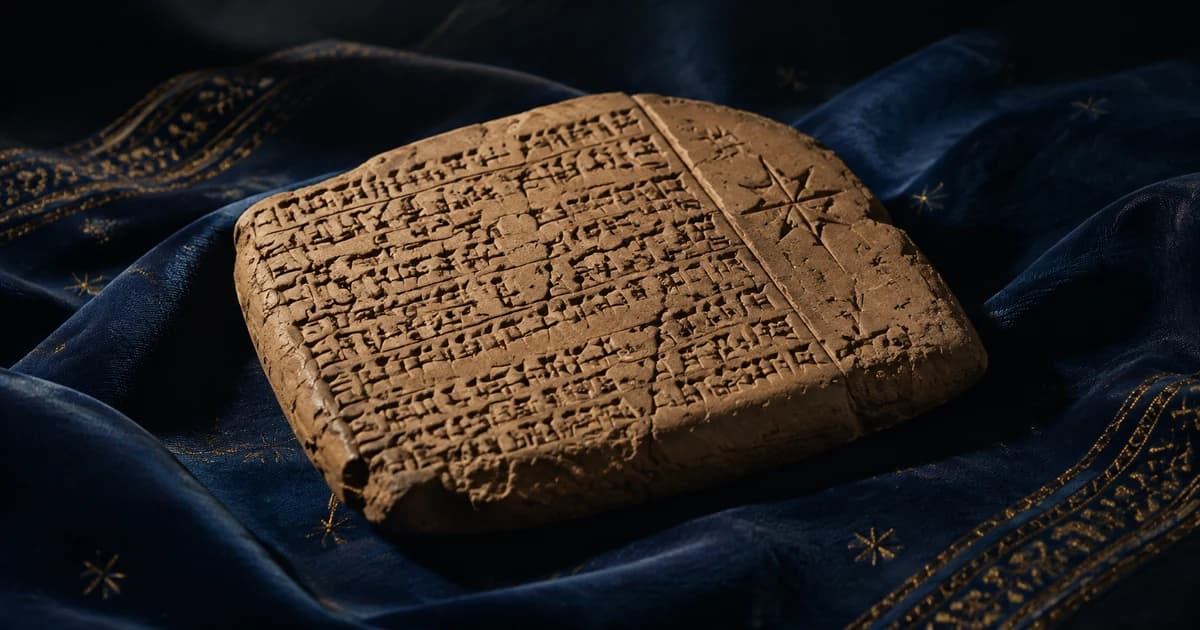
Sun sign columns: the 1930s newspaper origin story
A royal birth, a Sunday paper, and the format that redefined astrology for everybody.
4 min read · Published 2 September 2026
The answer
Newspaper sun-sign astrology is generally dated to 1930, when a British Sunday paper commissioned an astrological piece on the newborn Princess Margaret. The response was strong enough to make it a regular feature, and the twelve-sign column format spread from there. It's a twentieth-century invention driven by newspaper economics, and it's now what most people mean by astrology.
How the format was invented
In 1930 the *Sunday Express* ran an astrological piece on the birth of Princess Margaret. Reader response was strong, and the paper made astrology a recurring feature.
The problem was format. A newspaper can't print an individual chart for each reader, so the content had to be divided into a manageable number of categories that readers could self-select into with information they already had.
Twelve sun signs solved it. Everyone knows their birthday, twelve is a workable number of short paragraphs, and no further input is required.
So the sun-sign column isn't a simplification of traditional astrology. It's a new format invented to fit a newspaper page, and the astrology was reshaped to suit it.
The horoscope column did more damage to astrology than every sceptic combined, and I'd retire it.
What the format demanded
- Brevity. A short paragraph per sign, which strips out every caveat and all structural language.
- Distinctness. Twelve paragraphs must feel different from each other, which pushes toward exaggerated character types: the origin of most sign stereotypes.
- Applicability. Each must plausibly apply to everyone born in that month, which requires exactly the vague, double-headed statements that trigger the Barnum effect.
- Optimism. Readers return to content that makes them feel better, so columns skew positive regardless of what any technique would indicate.
- Regularity. Daily or weekly output means the astrology must produce something every single day, whether or not anything is happening.
Every one of those pressures is commercial rather than astrological. The format's characteristics follow from newspaper economics, and they explain the content better than any astrological principle does.
What it did to astrology
It made astrology enormously more popular and simultaneously made most people's understanding of it much thinner.
For most of the twentieth century, 'astrology' meant a sun-sign column, and the entire technical tradition (houses, aspects, dignities, timing) was invisible to the general public. Someone could be a lifelong horoscope reader and never see a chart.
It also created the situation where astrologers spend much of their time explaining that they don't do that. The most visible version of The one practitioners are least interested in, which is an awkward position for a field to be in is what takes effort.
The app generation partly reversed this by getting people to enter a birth time, which brought actual charts to a general audience for the first time since the format was invented.
Are the columns written astrologically?
Sometimes. A conscientious columnist works from the transits affecting each sign, which is a real if extremely coarse technique, transits to a whole sign apply to a twelfth of the population at once.
Others are written without reference to any chart, and there's a long tradition of columnists saying so afterwards.
The distinction matters less than it appears, because even the conscientious version faces the arithmetic: one paragraph addressed to six hundred million people can't carry information about any of them. The format defeats the technique regardless of the effort put in.
When did newspaper horoscopes start?
Generally dated to 1930, when the Sunday Express ran an astrological piece on the birth of Princess Margaret. Reader response was strong enough to make astrology a regular feature, and the twelve-sign column format spread from there.
Why are horoscope columns based on Sun signs?
Because a newspaper can't print an individual chart per reader, so it needed categories readers could self-select into using information they already had. Everyone knows their birthday, and twelve is a workable number of short paragraphs.
Was the Sun sign always the most important placement?
No. Traditional astrology weighted the Ascendant and chart ruler heavily and read the Sun as one factor among many. Elevating it to the sole determinant was a consequence of the newspaper format instead of an astrological judgement.
Are horoscope columns written using real astrology?
Sometimes, using transits to each sign, which is a real but very coarse technique. Either way the arithmetic defeats it: one paragraph addressed to a twelfth of the world's population can't carry information about any individual.
 Santiago Garcias